

El Croquis Blog — Entrevista
Against Incontinence. An Interview with Emilio Tuñón and Carlos Martínez de Albornoz, by María Langarita and Víctor Navarro
Entrevista Langarita y Navarro Tuñón y Albornoz
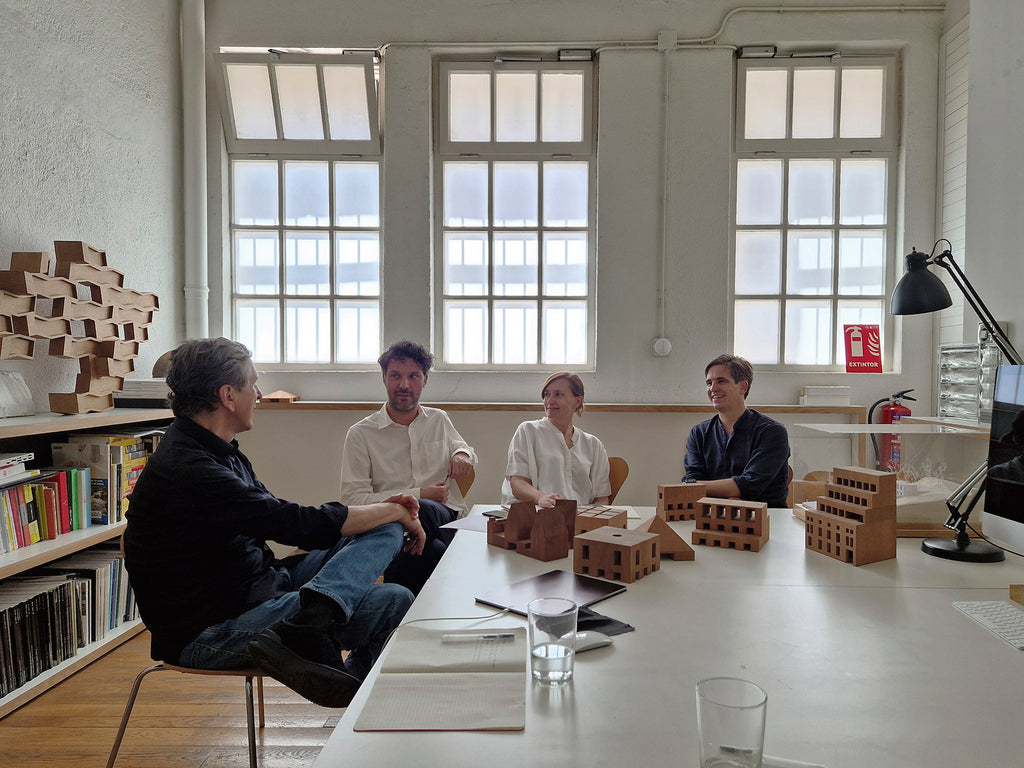
Against Incontinence An Interview with Emilio Tuñón and Carlos Martínez Albornoz,by María Langarita and Víctor Navarro Published in El Croquis 223 Tuñón y Albornoz 2015 2023. The Arnolfini Portrait, by the Flemish painter Jan van Eyck, shows a rich young merchant and his wife, holding hands in a domestic interior in15th-century Bruges. A peculiar convex mirror between the couple reflects them from behind, showing us a third person in the room that we could not have otherwise seen. This specular effect, which reveals the presence of a disembodied being on the side of the viewer, influenced Velázquez in the...
A Conversation with Marina Tabassum, por David Chipperfield. Published in El Croquis 222 David Chipperfield 2015 2023
David Chipperfield Entrevista Marina Tabassum
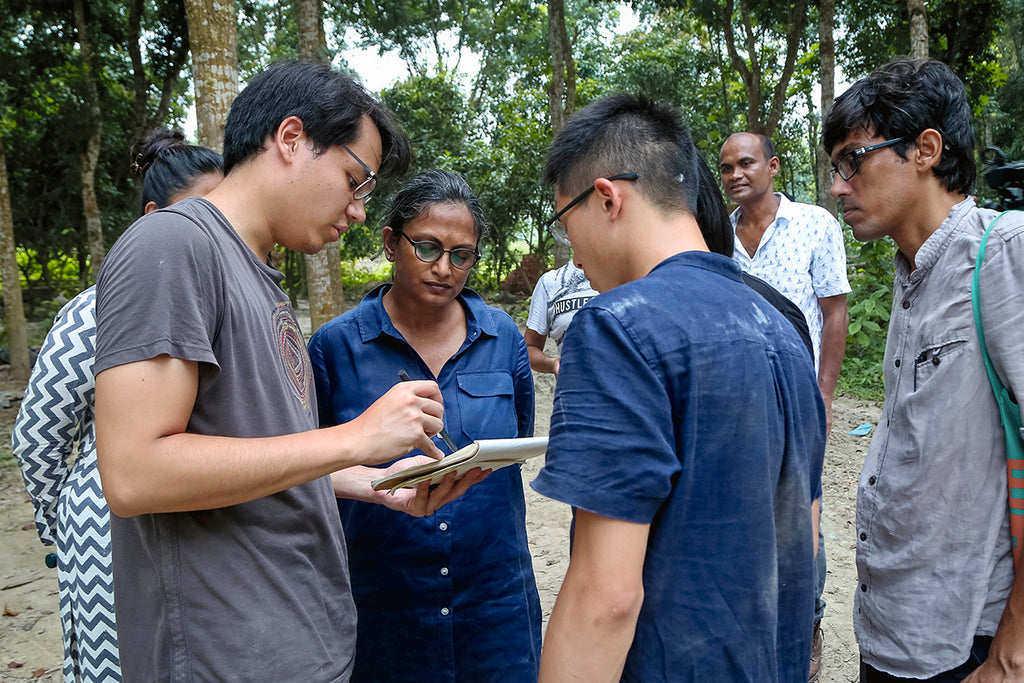
A Conversation with Marina Tabassum David Chipperfield Text published in El Croquis 222 David Chipperfield 2015 2023 David Chipperfield: Marina, your work has left a lasting impression on me since I first became familiar with it through the Aga Khan Award for Architecture and, more recently, in November 2022, through your acceptance speech for the Soane Medal: you charmed everyone with your autobiographical story and the quality of your work. It also reinforced my belief that the reason why you and your work have increasing resonance &mdashbeyond your immediate context in Bangladesh&mdash is that Western architectural practice is starting to feel...
Protected Public Housing, An Alternative Model. A Conversation with Cris Ballester Parets and Carles Oliver Barceló, by Liliana Obal
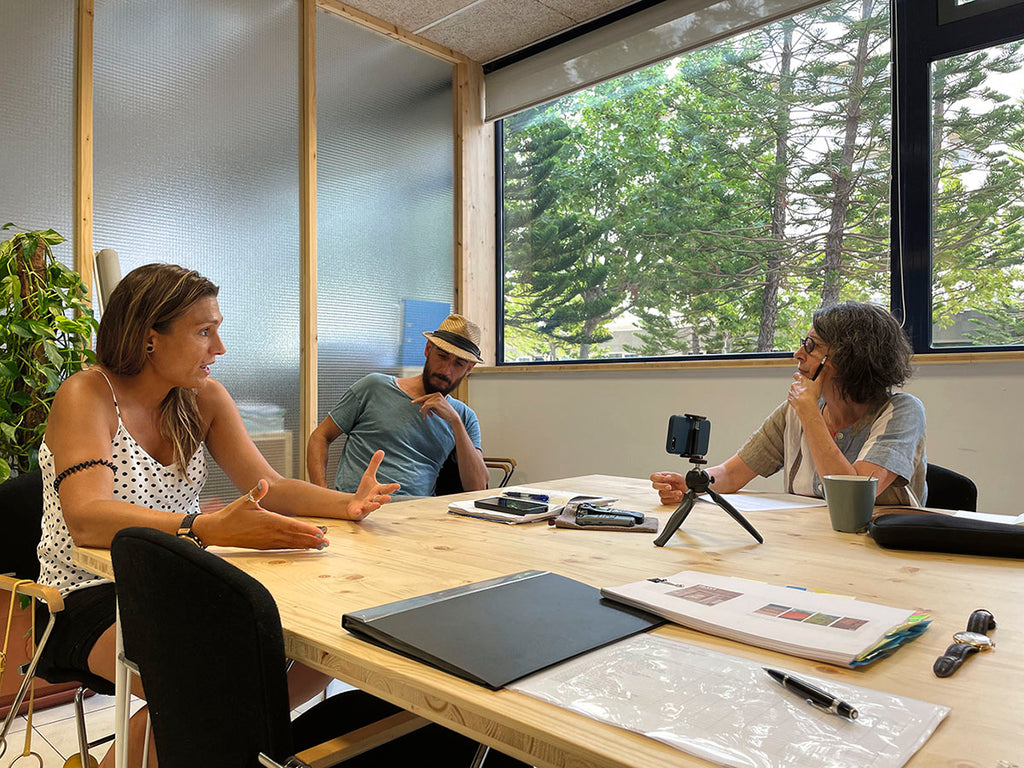
Protected Public Housing, An Alternative Model. A Conversation with Cris Ballester and Carles Oliver,by Liliana Obal Text published in El Croquis 219 IBAVI 2019 2023 Liliana Obal: In the project you are undertaking at IBAVI, political and social goals seem to come together, and this impulse has made it possible to align architectural reflection with policies and their management. It cannot have been easy to achieve your goals and the change in model you propose. How did this experiment begin? What was its starting point?Cristina Ballester: I arrived at IBAVI as managing director in August 2019, at a time when the...
How Fiction Works. A Conversation with Eduardo Souto de Moura, by Inmaculada Maluenda and Enrique Encabo
Enrique Encabo Entrevista Inmaculada Maluenda Souto de Moura
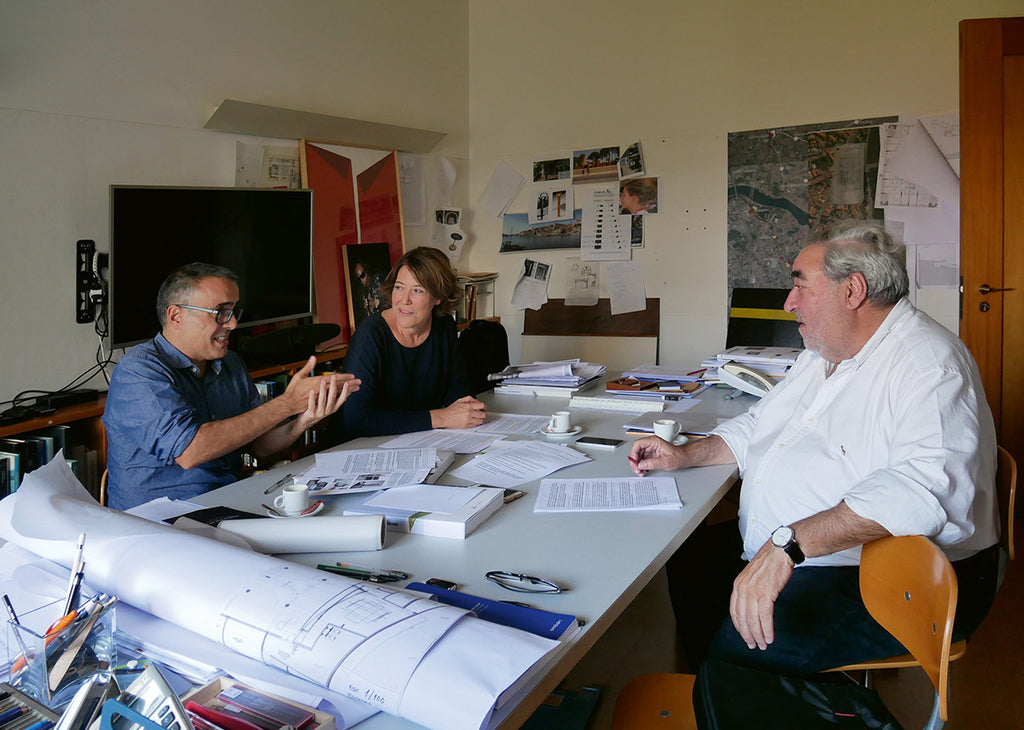
How Fiction Works.A Conversation with Eduardo Souto de Moura by Inmaculada Maluenda y Enrique Encabo Text published in El Croquis 218 Eduardo Souto de Moura 2015 2023 My family lived behind that grove of trees in the distance, heading towards the centre of town. The Italian School of Porto, where I studied, was nearby, and so was the pavilion where I’d go to watch the field hockey games against Spain. In summer, we’d go down to the beach at the mouth of the Douro; the water is so cold there that it’s like a gin and tonic. We’d have picnics there and my father,...
Tectonics and History. A Conversation with Amin Taha, by Cristina Díaz Moreno & Efrén García Grinda
Cristina Díaz Moreno Efrén García Grinda Entrevista Groupwork
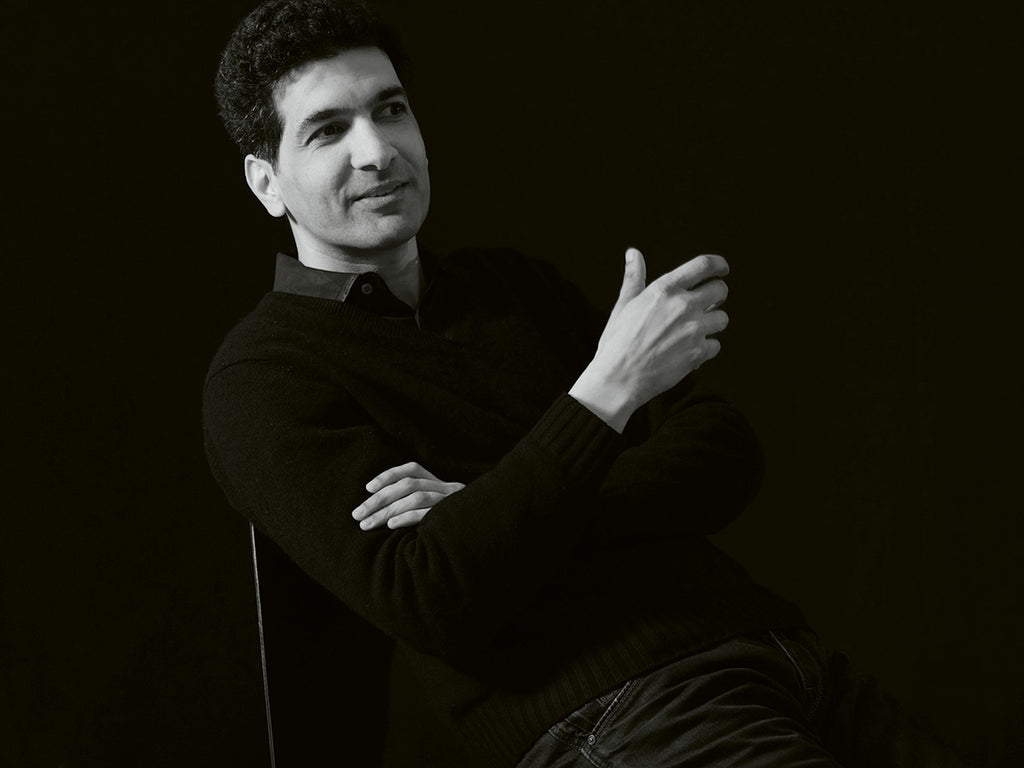
Tectonics and History:A Conversation with Amin Taha by Cristina Díaz Moreno y Efrén García Grinda Text published in El Croquis 217 [II] Groupwork 2012 2022 Cristina Díaz Moreno & Efrén García Grinda: Often the beginnings of the careers define the aspirations, ambitions and motivations of later work, especially in a place as peculiar and competitive as London, where one most often starts out working for others. In your case, are you able to identify the origins of your story as an architect?Amin Taha: We graduate from architecture school, go from one practice to another, and each office has its own 'style'&mdashthat is to say,...